
ART AND PEACE
SHOSTAKOVICH'S STRING QUARTET NO. 8
In July 1960, the Soviet government sent Dmitri Shostakovich to East Germany to collaborate on the film Five Days - Five Nights. Filming took place in Dresden, a city still scarred by the wounds of the Allied bombing that had reduced it to rubble. Faced with that devastation, the composer was deeply disturbed: the ruins were not only a symbol of the physical destruction, but also of the moral and spiritual havoc that the war had wreaked on the whole of humanity, regardless of the outcome of the conflict.
That experience gave rise to the String Quartet No. 8 in C minor, op. 110, composed in a few days and dedicated 'To the victims of fascism and war'. But behind that official formula lies a broader and more universal commitment: a sorrow shared for all victims of violence and oppression, across all times and places.
Shostakovich evokes a mourning that is both personal and collective, weaving in quotations from his earlier works as if retracing his own musical biography and intertwining it with the history of the century. Within those notes, his famous musical monogram—D, E-flat, C, B—also resounds, a signature that becomes a confession. Quartet no. 8 is a sound relic of a century destroyed by wars.
I grieve for all those who were tortured, shot or left to starve. Many of my Symphonies are tombstones
The author himself summed up the meaning a few years later: "I feel eternal sorrow for those who were killed by Hitler, but I am no less upset about those who died on Stalin's command. I grieve for all those who were tortured, shot, or left to starve. Many of my Symphonies are tombstones. Too many of our people died and were buried in places unknown to anyone, even their relatives.
Where to put their gravestones? Only music can do that for them. I would like to write a composition for each of the fallen, but I am unable to do so, and this is the only reason why I dedicate my music to all of them. Words that give a voice to the ultimate meaning of that work: an invisible monument to the nameless of History.
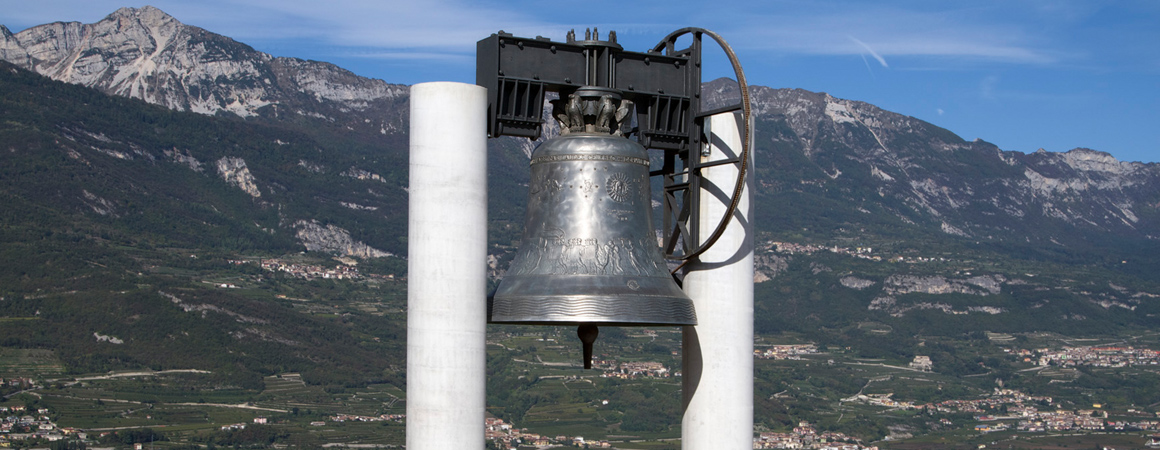
And this is where the Bell comes in. Marked by a tragic and visionary intensity, the work was later transcribed for string orchestra by Rudolf Barshai, with the composer’s approval. Thus the Chamber Symphony, Op. 110a was composed, amplifying the dramatic force of the quartet, and transforming intimate pain into a collective cry. On 22 October, at the University of Rome 'Tor Vergata', the Roma Sinfonietta Orchestra, conducted by Gabriele Bonolis, performed this symphonic version: an event that brought Shostakovich's voice back to life as the conscience of memory. These artists are well known on the Miravalle Pass, and indeed 16 July 2016 Bonolis himself received the 'International Ennio Morricone Award for Peace' at the end of a concert in which he conducted the Roma Sinfonietta. Not by chance, ten years later, the seed sown beneath Maria Dolens continues to bear fruit among those who tirelessly pursue Peace, including through the power of art. In a world that still knows war, this music resonates like a secular prayer, a call that urges us not to forget.
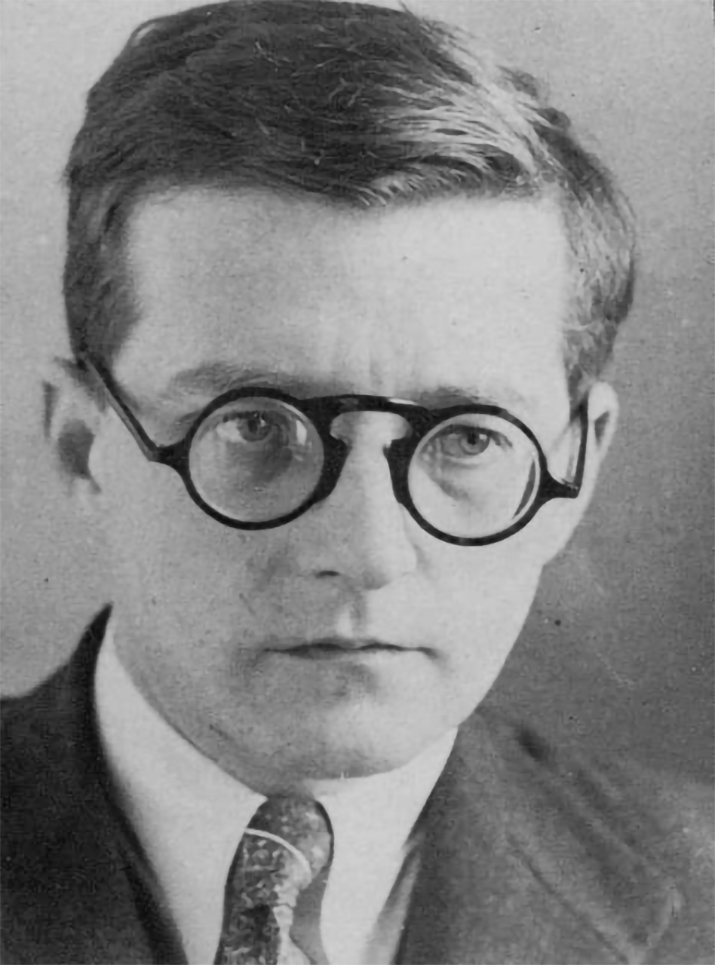
Dmitrij Šostakovič
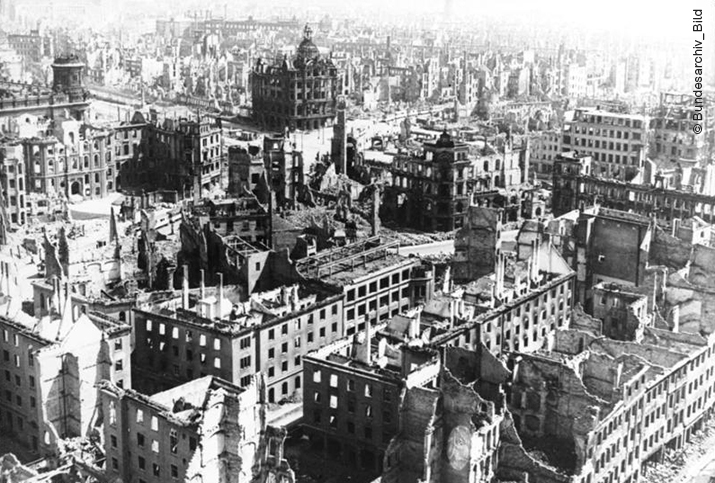
A view of Dresden after the Allied bombing in 1945